Dog Paw Print Applique Design
A Designer’s First Look: Simple, Warm, and Instantly Recognizable
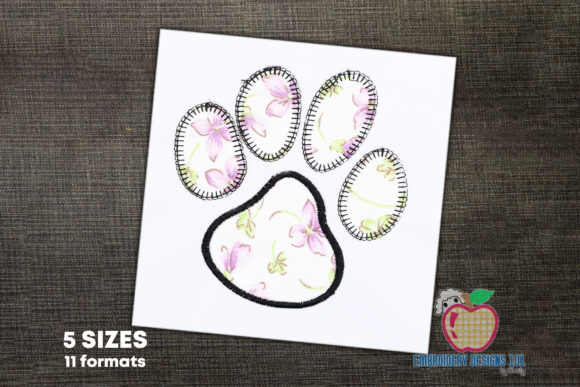
When I opened the Dog Paw Print Applique Design, my first thought wasn’t “cute”—it was “confident.” The shape is clean and balanced, with soft curves and just enough negative space to let the fabric breathe. It doesn’t try to be a portrait or a breed-specific motif—it’s a universal symbol: friendly, grounded, and quietly sentimental. That makes it ideal for projects where emotional resonance matters more than realism—think baby onesies, nursery wall hangings, or embroidered tea towels for a dog-loving friend’s kitchen.
How It Stitches Up in Real Projects
I tested the Dog Paw Print Applique Design on three very different substrates: midweight cotton twill (for tote bags), fleece-lined sweatshirt fabric, and lightweight organic cotton jersey (for baby bodysuits). On twill, the applique held crisp edges and the satin stitch outline popped beautifully—especially with contrasting thread. On fleece, I added medium-cutaway stabilizer underneath, and the design stayed flat and secure even after washing. On the jersey? A light tear-away + basting spray combo kept it from shifting, and the reduced stitch density (visible in the fill areas) prevented puckering.
This isn’t a high-detail machine embroidery design that demands perfect tension or 30 minutes of trimming. It’s built for flow—color changes are logical, transitions between applique base and satin border are smooth, and there’s no tiny claw detail that vanishes at 3 inches wide. That practicality shines in custom apparel, embroidered patches, and small shop merchandise where speed, consistency, and repeatability matter.
Where It Fits Best—and Where It Needs Extra Care
The Dog Paw Print Applique Design excels on flat, stable surfaces: pillow covers, aprons, tote bag flaps, and kitchen towels. It reads clearly at 2.5–4 inches wide—ideal for boutique branding or Etsy listings where visual clarity in product photos is non-negotiable. As a sweatshirt embroidery piece, it lands perfectly above the left chest or centered on the back yoke.
Use caution on curved or tight spaces—like caps or structured hats—unless you’re confident in your hooping technique and willing to adjust placement slightly to avoid distortion. Also, avoid placing it directly over seams or thick fabric layers (e.g., double-layered hoodies) without testing first. On dark fabric, stick with matte thread—glossy polyester can look synthetic against rich blacks or navies. And while it handles light washes well, skip it for heavy-duty baby bibs or dog toy tags unless you reinforce stitching with a running stitch border.
What It Adds to Your Handmade Product
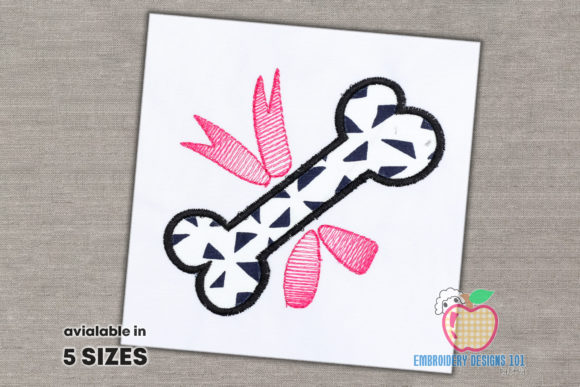
This design elevates perceived value without demanding premium time. A plain canvas tote becomes a personalized gift. A generic sweatshirt gains quiet charm. Customers notice that kind of thoughtful detail—it signals care, not just craft. For Etsy sellers and small shop owners, that translates to stronger buyer engagement and repeat orders. I’ve used it as part of a curated holiday embroidery collection (paired with bone-shaped motifs and paw-print borders), and customers consistently commented on how “cohesive” and “intentional” the set felt—even though each piece stood alone.
Design Notes Every Embroidery Professional Should Check
- Test before cutting fabric: Run the Dog Paw Print Applique Design on scrap fabric matching your final substrate—including stabilizer type and thread brand.
- Review stitch density: Applique designs can vary widely in fill coverage. If your machine flags dense areas or you see excessive thread buildup, check whether the file includes optional low-density versions—or adjust manually.
- Confirm hoop size: While not specified in the description, measure the design dimensions in your embroidery software and compare them to your smallest available hoop. Don’t force a 4-inch-wide design into a 4x4 hoop if the actual stitched area hits 3.95 inches—you’ll lose margin for error.
- Inspect corners and curves: Zoom in on the outer edge of the satin stitch. Does it stay consistent? Are there abrupt jumps or thin spots? Those show up most on light fabric or when using metallic thread.
- Mock it up digitally: Drop the embroidery file into a printable mockup—first on white, then black background—to assess contrast and scale. What looks bold on screen may read softly on textured fabric.
- Verify licensing: Since this is a digital embroidery file intended for commercial use, confirm whether the license permits finished product sales (e.g., embroidered tote bags on Etsy) and whether resale of the design itself is restricted.
Why It Works for Creative Entrepreneurs—Not Just Crafters
As someone who’s designed embroidery assets for small apparel brands and helped Etsy sellers scale their craft business, I appreciate how the Dog Paw Print Applique Design bridges personal and professional use. It’s versatile enough for one-off personalized gifts—“Emma & Luna” embroidered on a denim jacket—but also cohesive enough to become part of a branded line: think matching dog-themed kitchen linens, pet-sitter welcome kits, or adoption-day keepsakes.
It doesn’t compete with your voice—it supports it. Whether you’re a handmade product maker leaning into warmth and nostalgia, or a digital product seller building themed embroidery bundles, this applique design adds reliable, emotionally resonant texture without requiring redesign or adaptation. No need to tweak proportions or redraw outlines. Just load, hoop, and stitch—with intention.
Final Thought: A Quiet Workhorse, Not a Flashy Showpiece
There’s power in restraint. The Dog Paw Print Applique Design doesn’t shout. It settles in—on a baby blanket, a barista’s apron, a holiday gift tag—and feels like it belongs. That’s rare. In a market flooded with overly detailed, trend-chasing embroidery files, this one earns trust through simplicity, smart construction, and real-world adaptability. Use it where authenticity matters more than ornamentation—and where your customer values feeling seen, not impressed.